
A successful private label bomber jacket starts with a clear product brief: who will wear it, how it should fit, which season it serves, and what details make it recognisably yours. For clothing brands comparing a custom bomber jacket manufacturer, those decisions matter as much as the design itself.
This guide explains how to turn a fashion signal into a practical manufacturing enquiry, from shell fabric and lining to sampling, branding and bulk-order checks. It is written for Australian and USA brand owners, sourcing teams and streetwear businesses planning an original collection.
Planning a bomber jacket collection? Request a manufacturing quotation with your design reference, quantity and delivery country, or discuss the brief on WhatsApp.
Where are bomber jackets trending in 2026?
Google Australia’s fashion search report published on June 26, 2026 identified “bomber jacket women” and “cropped jackets” as searches reaching peak popularity that year in Australia. This is a dated Australian search-interest signal, not proof of current USA demand or guaranteed retail sales.
For a brand, the useful next step is to investigate a focused silhouette and customer rather than copy every trending detail. A cropped women’s bomber, a relaxed unisex jacket and a lightweight team travel layer are different products with different fit requirements. USA buyers should validate their own audience before treating an Australian trend as a purchasing forecast.
Search interest helps shortlist ideas. Sample feedback, customer enquiries, pricing acceptance and delivery feasibility help decide which idea deserves a production order. Use the trend as a starting point for development, then let your own customers shape the final specification.
Choose the role of the jacket before selecting fabric
Write a one-sentence product purpose. For example: “A lightweight, relaxed women’s bomber for everyday layering, with a clean lining and a small embroidered chest logo.” This is more useful to a supplier than “premium jacket, best quality.” It connects the intended look to construction decisions.
- Everyday streetwear: prioritise silhouette, hand feel, pocket usability and how the jacket sits over a top.
- Transitional outerwear: define the expected layering, lining and weather exposure without assuming waterproof performance.
- Team or club travel: specify sponsor placement, size coverage and consistency between repeat orders.
- Fashion capsule: identify the signature proportion, trim or colour that distinguishes the collection.
Be explicit about adult or youth sizing and whether the intended fit is fitted, regular or oversized. A single unisex size chart may not achieve the desired fit for every customer. Fit the sample on people who represent your intended audience and record the changes you need.
How to specify shell fabric, lining and rib trims
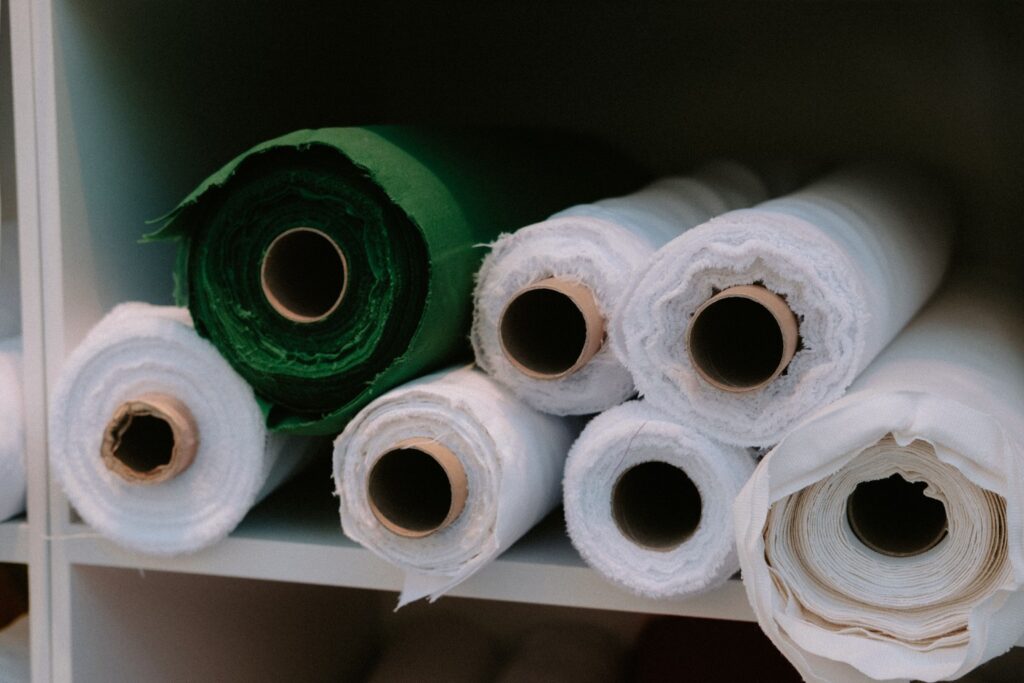
A fabric name alone is not a complete specification. Ask for composition, weight, construction, surface finish, available colours and a physical swatch. Two fabrics described as polyester can look and behave very differently. A photograph cannot reliably communicate stiffness, noise, softness or how a shell folds at the elbow.
Shell fabric
Nylon or polyester woven fabrics are options to discuss for a lightweight bomber. Cotton-based fabrics can create a different, more casual appearance. Request the actual available alternatives and compare them against your product purpose. Confirm whether you want a matte, lustrous or textured finish and whether the fabric should hold shape or drape softly.
Do not add water-resistant or waterproof wording to the retail listing simply because a fabric looks smooth. If weather performance is part of your brief, agree on the required performance, appropriate evidence and complete garment construction before approving marketing claims.
Lining and insulation
Specify whether the jacket is unlined, fully lined or insulated. Ask how the lining affects sleeve movement, weight and the final dimensions. A padded version needs a different review from a lightweight fashion layer. Confirm internal finishing, lining colour and whether decoration should be applied before the lining is closed.
Collar, cuffs and waistband
Rib trims influence the jacket’s outline. Discuss rib width, colour, stretch, recovery and attachment. An overly tight waistband can cause unwanted ballooning; a loose cuff can make the sleeve feel unfinished. Check the actual trim with the chosen shell so the colour and overall appearance work together.
Build a bomber jacket tech pack that reduces guesswork
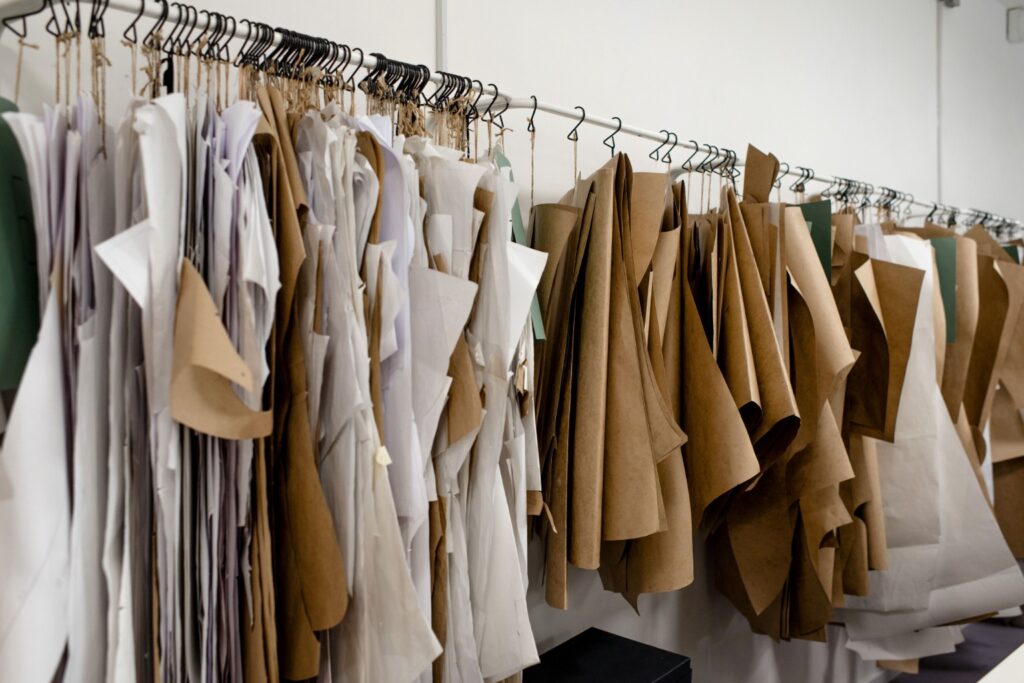
Your technical brief does not need elaborate presentation, but it must communicate the decisions that affect production. Include front and back sketches, detail views, measurements, materials, artwork and a version date. When a detail changes, issue one updated reference so different teams do not work from conflicting instructions.
- Design views: front, back and close-up drawings of pockets, collar and fastening.
- Measurements: chest, body length, shoulder, sleeve, armhole, cuff and hem, with clear measuring points.
- Materials: shell, lining, rib and any insulation, with approved references.
- Hardware: zipper type, tape colour, puller, snaps and pocket closures.
- Branding: artwork files, dimensions, placement and decoration method.
- Finishing: seam appearance, internal construction, label positions and packaging.
- Order breakdown: quantities by colour and size, plus destination and target timing.
For cropped jackets, record exactly where the hem should sit. “Cropped” is a style description, not a measurement. For oversized designs, define the intended shoulder drop and chest ease rather than increasing every measurement equally. Clear proportions are what make a deliberate fit look intentional.
Embroidery, printing and private label details
Choose branding to suit the shell and the visual identity of the range. Embroidery, patches and printed logos create different textures and require different preparation. Ask to see the proposed application on the selected material before approving the final sample.
Large embroidery on a light shell needs special attention to support and surface appearance. Printed decoration should be checked for adhesion and changes after the agreed care procedure. A logo that looks sharp in a digital mockup may need simplified details or adjusted sizing on fabric.
Confirm the brand label, size label, care information, hang tag and individual packing together. Provide your own approved artwork and wording. If you plan multiple colourways, check whether a single label design works across all versions and whether the label colour shows through a lighter lining.
What to check when your sample arrives
Review the sample in a consistent order and keep a written approval sheet. Begin with overall balance on the wearer, then measurements, movement, components and finishing. Reviewing only a front photograph can miss a tight upper sleeve, uneven back length or uncomfortable pocket opening.
- Zip the jacket fully and check front alignment and collar comfort.
- Reach forward, sit down and raise the arms while wearing the intended underlayer.
- Check whether cuffs and hem return to shape after normal movement.
- Use the pockets and test the fastening repeatedly.
- Inspect lining tension at the sleeve and underarm.
- Compare logo position and dimensions with the approved artwork.
- Review colour matching between shell, rib, zipper tape and lining.
- Repeat measurements after the agreed care assessment where relevant.
Separate essential corrections from optional preferences. “Increase sleeve opening to the revised measurement” is actionable; “make it more premium” is not. Approve the revised specification and representative sample before authorising bulk production.
How to compare manufacturer quotations fairly
Ask suppliers to quote the same specification and quantity breakdown. A lower unit price may reflect a different lining, simpler trims, reduced decoration or excluded packaging. Compare what is included before deciding that one offer is better.
Request separate clarification for development charges, sample shipping, production, labels, packaging and bulk delivery. Confirm the currency, payment milestones, quotation validity and any assumptions about colour or size minimums. For international orders, ask which delivery costs and destination charges are included and which remain the buyer’s responsibility.
Greyfin Sports advertises orders from 20 pieces on its enquiry page. Treat that as an initial discussion point: the applicable minimum for a specific bomber design, material, colour combination or custom trim must be confirmed in the quotation. Do not assume that every custom fabric or component is available at the same minimum.
Plan a focused first collection
A controlled launch makes sample approval and inventory management easier. Consider starting with a clearly defined fit and a small number of commercially relevant colours. Every additional shell colour, lining variation and logo placement increases the number of decisions that need approval.
For example, a brand might develop one core silhouette and assess two colour options before ordering. This is a planning example, not a recommended quantity or a forecast of sales. Base the final size ratio and stock depth on your own customer information and the confirmed manufacturing minimums.
Keep the approved sample, measurement chart and component references for reorders. Ask whether the same materials will remain available and how substitutions are handled. A successful reorder depends on documented specifications as well as the product name.
For a coordinated streetwear bottom, our custom parachute pants development guide covers leg proportions, pockets, adjustable hems and the quotation brief.
Explore related products and collection planning
Review our bomber jacket range when preparing your design brief. If your collection also includes fleece layers, the custom hoodie manufacturing guide for USA brands explains the separate fabric and fit decisions for that product.
Working with Greyfin Sports
Greyfin Sports is based in Sialkot, Pakistan, and supports international custom apparel enquiries. Australian and USA buyers can discuss their bomber jacket concept through the existing quotation process. Product feasibility, materials, development costs and delivery timing are confirmed against the individual brief.
Review our apparel manufacturing capabilities to understand the specification, sampling, branding and packaging workflow. You can also explore the apparel range before preparing your enquiry.
Frequently asked questions
Can I develop a cropped women’s bomber jacket?
Send the intended silhouette, body length, size chart and reference details for a feasibility review. A cropped design needs its own proportion checks; simply shortening a standard jacket may change how the waistband, pockets and zipper work together.
Should I approve fabric before the complete sample?
Agree on material references early, then assess those materials in the complete garment. The finished sample reveals interactions between the shell, lining, trims and pattern that separate swatches cannot show.
Is Greyfin Sports a USA or Australian factory?
No. Greyfin Sports is located in Sialkot, Pakistan, serving international buyers. Include your country and delivery postcode when requesting production and shipment information.
How long will sampling and production take?
Timing depends on the confirmed design, material availability, revisions and order requirements. Request separate dates for sample development, approval, bulk completion and shipment rather than relying on a single estimated delivery date.
Request a custom bomber jacket quotation
Send your sketches or references, target quantity, size range, shell and lining preferences, logo artwork and delivery destination. Identify your required launch date and any details that still need development. A complete brief helps turn your concept into a clear, comparable proposal.
Request a bomber jacket manufacturing quote or discuss your project on WhatsApp.