
A clothing tech pack is one of the most useful documents a brand can send before sample development. It gives a manufacturer a structured reference for the garment, measurements, materials, construction, branding and packaging instead of relying on scattered messages, screenshots or assumptions.
For USA clothing brands sourcing internationally, a clear production brief can make manufacturer discussions more specific from the start. It helps both sides identify missing decisions before sampling, compare quotations on a more consistent basis and document what should be reviewed when the first sample arrives.
This guide explains what to include in a clothing tech pack for manufacturing, what information can be added later, and how to prepare a practical first enquiry if your collection is not fully finalized yet.
If you are already preparing a collection, you can also review Greyfin Sports’ custom apparel manufacturing capabilities and our guide to moving from sample development to bulk production.
What Is a Clothing Tech Pack?
A clothing tech pack is a technical document that communicates how a garment should be developed and manufactured. Depending on the product, it may include design drawings, measurements, fabric requirements, trims, construction details, artwork placement, labels, packaging and revision notes.
The purpose is not to make the document look complicated. The purpose is to reduce ambiguity. A useful apparel tech pack should help a manufacturer understand what you want to make, which details are fixed, which details are still open for discussion and what should be checked during sample approval.
Some established brands use detailed multi-page tech packs for every style. Smaller brands may begin with a simpler product specification and build it out during development. Either approach can work if the important product decisions are communicated clearly.
Why a Production-Ready Brief Matters Before Sampling
Sampling is most useful when the manufacturer is working from defined instructions. If the brief only says “make this like the photo,” different assumptions can be made about fit, fabric, measurements, trims, stitching and branding.
A clearer brief helps the buyer ask better questions before paying for sample development. It also makes revisions easier because changes can be recorded against a known starting specification rather than discussed from memory.
- For startups: a structured brief helps turn a design idea into specific production requirements.
- For growing brands: it creates a repeatable reference for future styles, reorders and supplier comparisons.
- For sourcing managers: it helps several manufacturers quote against more consistent information.
- For private label projects: it keeps garment specifications, labels, branding and packaging in one place.
What Should a Clothing Tech Pack Include?
The exact contents depend on the garment category, but the following sections cover the information most clothing manufacturers need to review before or during sample development.
1. Product Identification and Design Overview
Start with basic information that makes the style easy to identify. Include the product name, internal style number if you use one, product category, intended customer and a short description of the garment.
Add clear front and back sketches or reference images. Side views or detail drawings can be helpful when the garment includes panels, pockets, zippers, special seams or other features that are not obvious from the front.
Reference images are useful, but they should support your specification rather than replace it. If a reference garment has details you do not want, state that clearly.
2. Measurement Specification
Measurements are one of the most important parts of an apparel tech pack because “small,” “medium” and “large” do not describe the actual fit.
List the points of measurement that matter for the garment. Depending on the style, this can include chest width, body length, shoulder width, sleeve length, waist, hip, rise, inseam, leg opening or other product-specific dimensions.
Include the base size and size range. If grading between sizes has already been developed, add those measurements. If not, state which sample size should be developed first so grading can be discussed after fit approval.
3. Fabric Requirements
Fabric should be described by specification and intended performance, not only by a visual reference. Useful information can include composition, target GSM or weight, stretch direction, stretch level, hand feel, surface finish, breathability, opacity, recovery, brushed finish or other performance requirements relevant to the product.
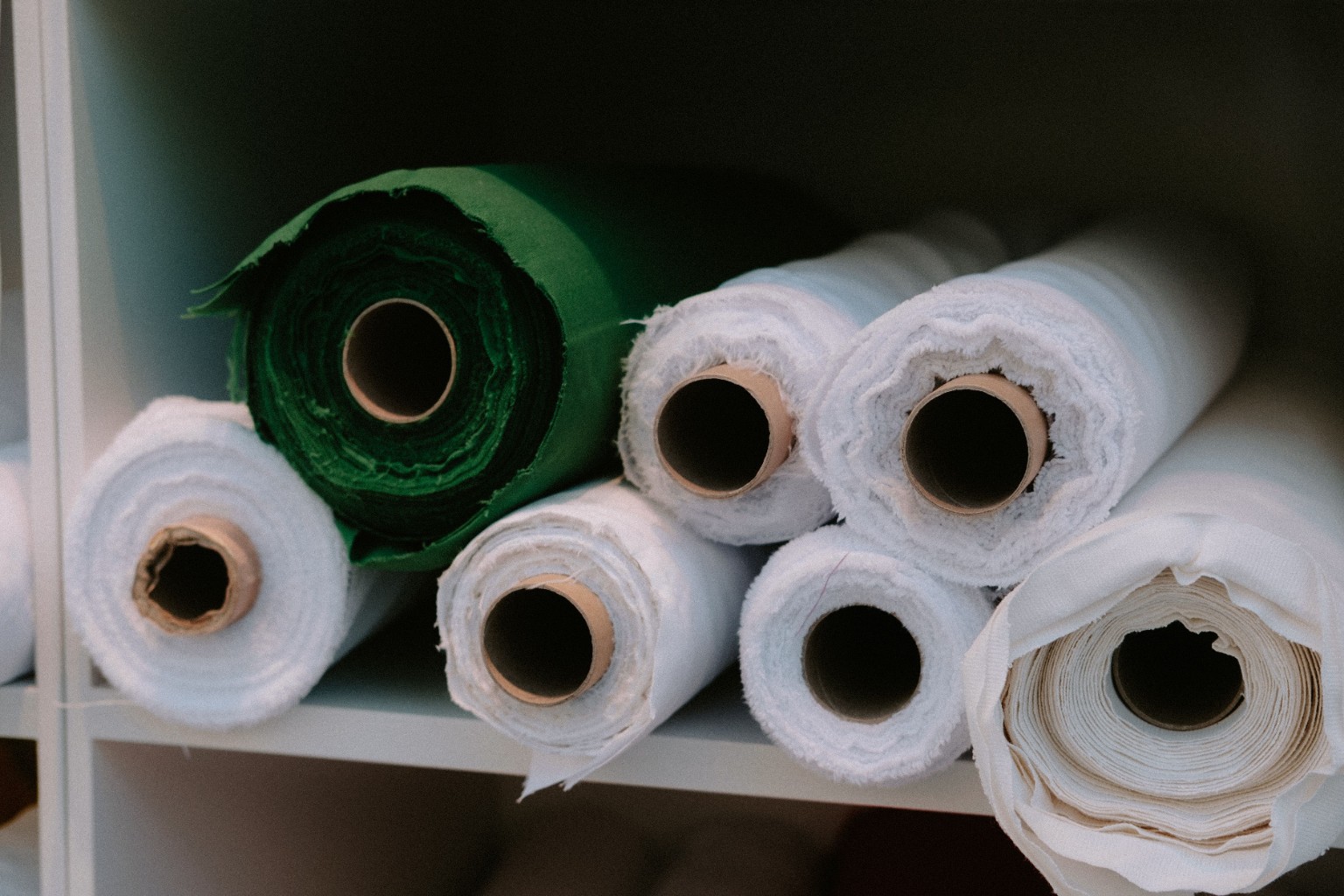
If you are open to manufacturer recommendations, explain the performance you need rather than inventing a specification. For example, a buyer can state that a training top should be lightweight, breathable and suitable for repeated movement, then discuss suitable fabric options during development.
For a wider overview of material and production decisions, see Greyfin Sports’ manufacturing capabilities.
4. Color Information
List the required colors for the garment, panels, trims, thread and decoration. Use recognized color references where you have them, but do not assume a screen color will reproduce exactly in fabric, print or embroidery.
If exact shade matching is important, flag it early so the appropriate approval method can be discussed for the material and decoration process.
5. Construction Details
Show how the garment should be assembled. This may include seam placement, stitch type, topstitching, binding, hems, rib, waistband construction, pocket shape, zipper placement, panel lines, drawcord details and reinforcement points.
You do not need to specify technical construction methods you are unsure about. Instead, identify the visual or functional result you need and ask the manufacturer to confirm an appropriate construction method for review.
6. Trims and Components
List the non-fabric components required for the garment. Depending on the style, these can include zippers, buttons, snaps, elastic, drawcords, eyelets, Velcro-type closures, toggles, padding, mesh inserts or other trims.
For each important trim, note the color, size, finish and placement. If a specific supplier component is mandatory, provide the exact reference. Otherwise, clearly state the appearance or function you need.
7. Logo, Print, Embroidery and Decoration
Decoration instructions should show the artwork, placement, dimensions and intended method. Add measurements from recognizable garment points so the logo is not positioned only by eye.
Provide production-ready artwork when available and identify whether the design is intended for embroidery, screen printing, sublimation or another process. The appropriate method may depend on the garment, fabric, artwork and order requirements, so confirm feasibility before final approval.
8. Private Labels and Brand Details
If the project is private label, include every brand component that should appear on the finished garment. This can include a main brand label, size label, care label, heat-transfer neck mark, hang tag or other approved brand elements.
Specify placement and size where relevant. Label content should be reviewed by the brand for the markets where the product will be sold. International buyers should independently confirm the legal labeling and compliance requirements that apply to their product and destination.
9. Packaging Requirements
Packaging should be included in the production brief if it matters to the final presentation or order preparation. State whether garments require individual bags, size stickers, folding instructions, hang tags, carton markings or other packaging details.
Including packaging before quotation and sampling helps reduce the chance that it is treated as an unexpected extra requirement later.
Clothing Tech Pack Checklist for a First Manufacturer Enquiry
| Section | What to Send | Why It Matters |
|---|---|---|
| Design | Front/back sketches, references, style name | Defines the product being developed |
| Measurements | Base size, size range, measurement chart | Creates a measurable fit reference |
| Fabric | Composition, weight, stretch, finish or performance needs | Helps align material selection with product use |
| Construction | Seams, panels, pockets, hems and special details | Reduces assumptions during development |
| Branding | Artwork, method, size and placement | Makes decoration easier to quote and approve |
| Labels | Brand, size, care and placement requirements | Supports private label production planning |
| Packaging | Bagging, tags, stickers, folding and carton needs | Clarifies finished-order presentation |
| Order Details | Target quantity, size breakdown, destination and timing needs | Gives commercial context for the quotation |
What If You Do Not Have a Full Tech Pack Yet?
You can still contact a manufacturer if the product is not fully documented. The important thing is to separate confirmed requirements from open decisions.
A useful early-stage enquiry can include:
- Clear product reference images or sketches
- The garment category and intended use
- Target quantity by style or color
- Expected size range
- Preferred fit
- Known fabric or performance requirements
- Logo and branding requirements
- Private label and packaging needs
- Target delivery market
- Questions you need the manufacturer to help resolve
If you are launching your first collection, the guide Clothing Manufacturer for Startups: 2026 Production Guide covers the wider planning process around first production.
Common Tech Pack Mistakes That Create Confusion
Using Only Reference Photos
Photos can show style direction but usually do not communicate measurements, internal construction, fabric weight, label placement or exact branding dimensions. Use references together with written specifications.
Leaving Fit Undefined
Words such as oversized, slim or relaxed can be interpreted differently. Support the fit description with measurements or a physical reference garment where appropriate.
Changing Requirements Across Different Messages
If measurements are in one email, artwork in a messaging app and packaging instructions in another document, version control becomes difficult. Consolidate approved changes into one current specification.
Approving Appearance Without Checking Measurements
A sample can look acceptable in a photo while still missing key measurement or construction requirements. Review the sample against the documented specification rather than only by visual impression.
Adding Labels and Packaging After the Quote
Private label details should be introduced early because they form part of the finished product and can affect project planning.
How to Use the Tech Pack During Sample Development
The tech pack should continue to evolve during sampling. Treat the first version as the starting specification, then record approved changes after each review.
When the sample arrives, check the garment in a consistent order: measurements, fabric, fit, construction, color, decoration, labels and finishing. Record every requested revision clearly and identify the version date of the updated document.
Once the final sample is approved, keep the approved specification as the production reference. This does not eliminate the need for quality checks, but it gives the buyer and manufacturer a clearer benchmark for the agreed product.
For the next stage, read our sample-to-bulk manufacturing checklist for USA brands.
Preparing a Tech Pack for Different Apparel Categories
The structure of the brief should reflect the product. A sports uniform may require team colors, player numbering, sponsor placements and performance-fabric considerations. Activewear may require stretch, recovery and opacity requirements. Streetwear may place more emphasis on fit, fabric weight, wash effect, print placement and private-label presentation.
Greyfin Sports supports custom production across team sports uniforms, fitness and activewear, and streetwear and casual apparel. Product specifications are reviewed according to the garment and approved project requirements.
Questions to Ask a Manufacturer Before Sending the Final Tech Pack
- Which measurements are essential for this garment category?
- Which sample size should be developed first?
- What fabric details are needed before quotation?
- Which artwork file formats are suitable for the decoration method?
- How should revisions be documented after the first sample?
- Which label and packaging details should be confirmed before bulk production?
- What information is still missing before the project can be quoted accurately?
These questions help expose missing decisions before they become sample revisions.
FAQ: Clothing Tech Packs and Sample Development
Do I need a tech pack before contacting a clothing manufacturer?
Not always. You can begin with sketches, references and a structured brief, especially at an early development stage. However, the more specific the garment becomes, the more useful a clear tech pack or measurement specification becomes for sampling and production.
Can a manufacturer help develop missing specifications?
Manufacturers may be able to discuss fabric, construction, pattern or sample-development options depending on the project. Buyers should clearly identify which requirements are fixed and which need development support.
Should the tech pack include MOQ and pricing?
MOQ and pricing are commercial terms rather than garment specifications, but the tech pack should be accompanied by target quantity and size/color breakdown information so the manufacturer can review the project in the correct commercial context.
When should I update the tech pack?
Update it whenever an approved product detail changes during development. The final version should reflect the specification agreed for bulk production rather than an earlier sample version.
Discuss Your Custom Apparel Project With Greyfin Sports
Greyfin Sports works with international clothing brands, teams, startups and business buyers on custom apparel and private label production. Projects can include product development, fabric selection, pattern development, sampling, custom branding, labels, packaging and bulk manufacturing according to the approved requirements.
Planning a new collection? Send your tech pack, sketches or reference images together with your target quantity, size range, fabric requirements, branding details and delivery destination through our custom quotation form.
Start Your Sample Development
Share your product brief, tech pack or reference images so the Greyfin Sports team can review the information required for sampling and custom production.
International buyers should independently confirm the labeling, testing, import and compliance requirements that apply to their specific product category and destination market.