
Choosing a private label clothing manufacturer is not only about finding the lowest unit price. For USA clothing brands, the bigger question is whether a manufacturing partner can turn your design brief into an approved sample, repeat that standard in bulk production, apply your branding correctly, and communicate clearly from the first enquiry through shipment.
This guide gives founders, designers, sourcing managers and growing apparel businesses a practical sample-to-bulk checklist for 2026. Use it before requesting quotations so you can compare manufacturers on the same requirements and reduce avoidable production risk.
If you are currently evaluating production partners, you can also review Greyfin Sports’ custom sportswear manufacturing support for USA buyers and our manufacturing capabilities.
1. Start With a Production-Ready Brief
A serious private label clothing manufacturer needs more than a reference photo. Your first enquiry should make the product easy to understand and easy to quote.
Include the garment type, intended customer, target quantity, size range, preferred fabric or performance requirements, colors, artwork, logo placements, decoration method, label requirements, packaging and USA delivery destination. If you have a tech pack, measurement chart or approved reference sample, mention that immediately.
The clearer your brief, the easier it becomes to compare quotations fairly. Two manufacturers may appear to offer different prices simply because they are quoting different fabric weights, decoration methods, label packages or shipment scopes.
2. Confirm the MOQ Before You Develop Samples
MOQ should be discussed at the beginning, not after a sample has already been developed. Ask whether the minimum applies per style, per color, per fabric, per logo version or across the full order.
For startups, a flexible MOQ can be useful for validating fit, demand and product positioning before committing to larger quantities. However, low MOQ should not be the only deciding factor. A manufacturer should also be able to explain how pricing, material availability and customization may change at different order quantities.
For a deeper first-order planning guide, see Low-MOQ Private Label Apparel for USA Brands.
3. Evaluate Fabric by Specification, Not Only by Photo
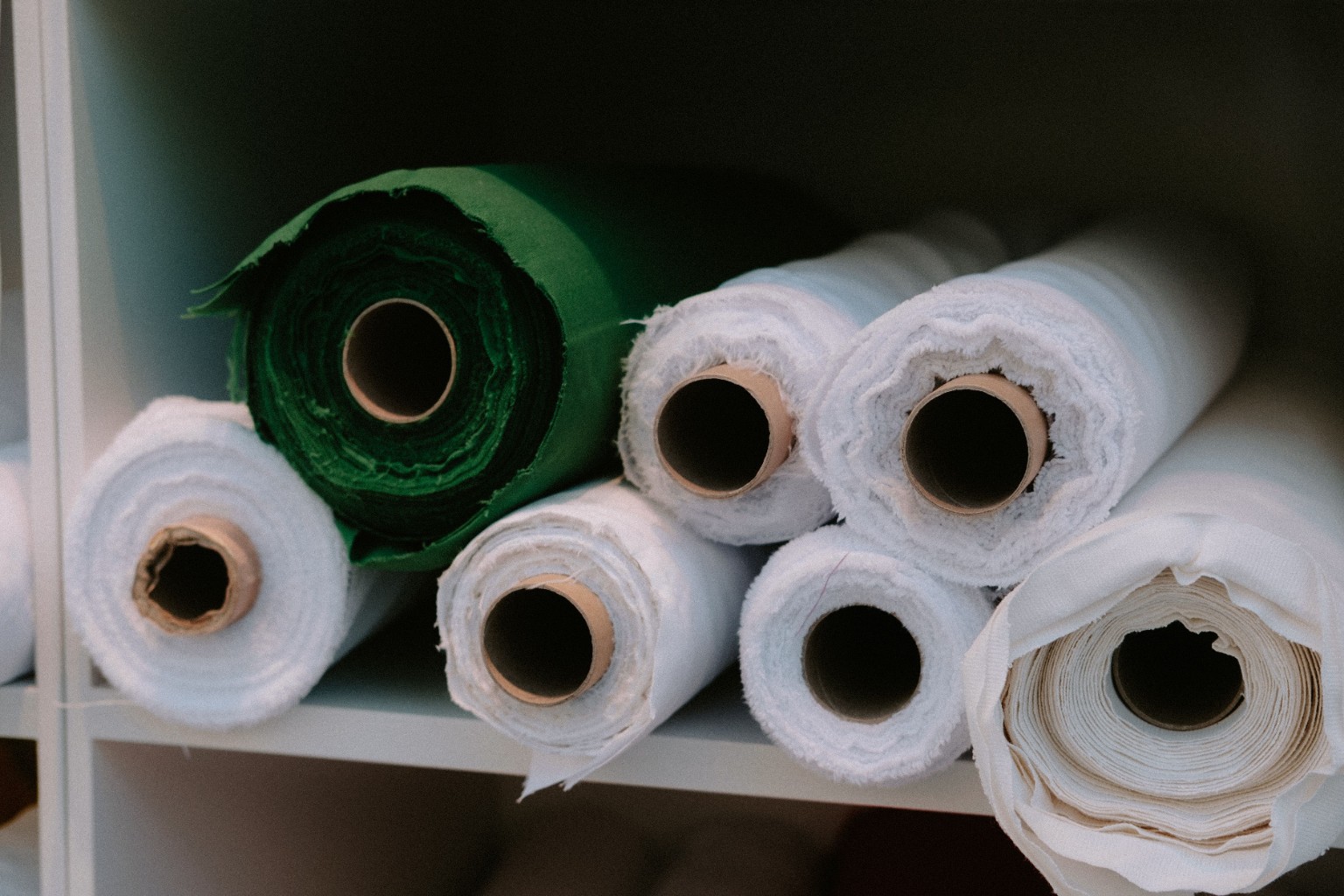
Fabric decisions can change the look, feel, durability and cost of the final product. Instead of asking for “premium fabric,” describe what the garment needs to do.
Discuss composition, GSM or weight, stretch, recovery, breathability, surface finish, hand feel, opacity and expected use. A private label apparel manufacturer should be able to connect the material choice to the garment’s function rather than simply sending random swatches.
For activewear, for example, stretch and recovery may matter more than a heavy GSM. For hoodies or casualwear, hand feel, structure and shrinkage behavior may be more important. For team uniforms, moisture management, breathability and decoration compatibility can affect the specification.
4. Treat the Sample as the Production Reference
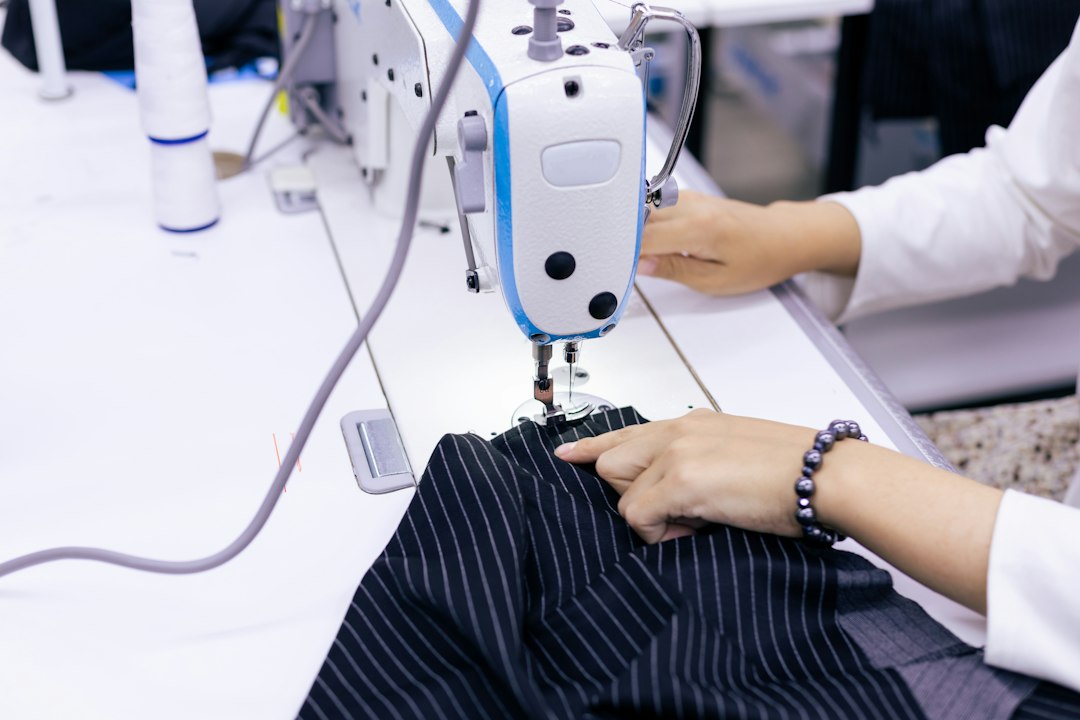
Sampling is where assumptions should become measurable specifications. A useful sample review should cover fit, measurements, fabric, color, construction, stitching, decoration, logo size, placement, labels and overall finishing.
Do not approve a sample based only on appearance. Record the approved measurements and important construction details in writing. If you request revisions, make sure the final version—not an earlier sample—is the reference for bulk production.
Ask the manufacturer what is included in sample development, whether sample charges are credited against a bulk order, and how revised samples are handled. The objective is to create a clear reference that both sides can use during production and quality checks.
5. Separate Product Cost From the Full Project Cost
A low unit price can become misleading when essential items are excluded. Before comparing private label clothing production quotations, check what the price actually includes.
Ask whether the quotation includes main fabric, trims, decoration, woven or printed labels, care and size labels, hang tags, packaging, sample charges, artwork setup, shipping and any other order-specific services.
Also confirm the currency, quotation validity, payment stages and whether shipping is included or quoted separately. For USA orders, give the manufacturer the destination city, state and ZIP code when requesting delivery estimates.
6. Review Private Label Branding as Part of the Product

Private label manufacturing is not complete when your logo is added to a generic garment. Your brand identity may also include neck labels, size labels, care labels, hang tags, packaging, custom colors and specific presentation requirements.
Send final artwork in suitable production files and approve logo dimensions and placement before bulk production. If multiple sizes use different label information, confirm the size breakdown. If packaging is important to the customer experience, include it in the initial quotation instead of adding it at the end.
7. Ask How Bulk Production Is Controlled
Once the sample is approved, the next risk is consistency. Ask how the manufacturer controls materials, cutting, stitching, decoration, measurements and finishing during production.
Useful questions include: Which measurements are checked? How are artwork placements verified? How are size quantities counted? How are visible defects separated? What happens if an issue is found before packing?
You do not need an unnecessarily complicated inspection process for every order, but you should understand how the approved specification is carried into bulk production.
8. Confirm the Production Timeline in Stages
A professional timeline should separate development, sample approval, bulk manufacturing, quality checks, packing and shipping. Avoid planning a launch around one vague “lead time” number.
Ask the manufacturer to confirm the schedule after the final product specification and quantity are known. Timelines can change when fabrics are custom-developed, colors are specially dyed, decoration is complex or the order includes multiple styles and sizes.
If you have a retail launch, tournament, team season or marketing campaign, share the target delivery date early so feasibility can be discussed before you commit.
9. Look for Communication That Reduces Ambiguity
Good manufacturing communication is specific. A reliable apparel manufacturing partner should clarify missing information rather than quietly making assumptions.
Pay attention to whether the supplier asks about measurements, fabric requirements, quantity, branding and delivery destination. Clear written confirmations are especially important for international production because they create a shared reference across time zones and production stages.
Before paying for bulk production, make sure the agreed specification, quantity, size breakdown, artwork, labels, packaging, price and delivery arrangement are documented.
10. Compare Manufacturers With the Same Buyer Checklist
When comparing several manufacturers, use the same information for each supplier. This makes the differences meaningful.
- Product capability: Can they manufacture the exact garment category you need?
- MOQ: Does the minimum work for your launch plan and size breakdown?
- Fabric: Are composition, weight and performance requirements clearly specified?
- Sampling: Is there a structured approval and revision process?
- Branding: Can labels, decoration and packaging be developed to your requirements?
- Quality control: How is bulk production checked against the approved reference?
- Communication: Are key details confirmed clearly and in writing?
- Shipping: Are delivery terms and destination costs clearly explained?
For a broader manufacturer-selection framework, read How to Choose a Reliable Private Label Clothing Manufacturer in 2026.
What Should a USA Brand Send With Its First Enquiry?
To get a useful quotation faster, send one organized production brief containing:
- Product name and reference images or tech pack
- Target quantity by style and color
- Size range and measurement chart if available
- Fabric composition, weight or performance requirements
- Color references
- Logo and decoration artwork
- Private labels, care labels and hang-tag requirements
- Packaging requirements
- USA delivery city, state and ZIP code
- Target sample date and required bulk delivery window
A detailed enquiry also helps the manufacturer tell you what still needs to be decided before sampling.
Why Sample-to-Bulk Planning Matters for USA Clothing Brands
Most manufacturing problems are easier and less expensive to solve before bulk production begins. A structured process creates checkpoints where fit, fabric, branding, measurements and commercial terms can be confirmed before larger quantities are produced.
For startups, this protects limited launch budgets. For established brands, it improves repeatability across styles and future reorders. In both cases, the goal is the same: turn product decisions into clear manufacturing instructions.
Work With Greyfin Sports as an International Manufacturing Partner
Greyfin Sports supports USA clothing brands, teams, startups and business buyers as an international custom apparel and private label manufacturing partner. Manufacturing is based in Sialkot, Pakistan; we do not represent Greyfin Sports as a USA factory.
Projects can include custom sportswear, activewear, casualwear, team uniforms and private-label apparel with product development, fabric selection, sampling, custom branding, labels, packaging and bulk production according to the approved order requirements.
Planning a new collection or comparing manufacturers now? Send your tech pack, reference images, target quantity, fabric requirements, branding details and USA delivery location through our custom quotation form. Our team can review the project details and respond with the next steps for sampling and production.
Request a Private Label Manufacturing Quote
Share your product requirements, quantity, sizing, fabric, artwork, labels, packaging and USA delivery ZIP code for an order-specific discussion.
For USA market sales, brands should independently confirm the labeling, testing, import and compliance requirements that apply to their specific product category and sales channel.