
Choosing a private label clothing manufacturer is a product-development decision, not just a price comparison. A low quote can become an expensive mistake if the bulk order arrives with inconsistent measurements, the wrong fabric, unclear branding details or packaging that was never approved. Sampling delays and incomplete communication can also disrupt a collection launch before the first garment reaches a customer.
For clothing brands in the USA, UK, Europe and Australia working with an international manufacturer, the solution is to compare suppliers against the same written requirements. You need to understand what will be made, how it will be approved, what the quotation includes, which shipping responsibilities apply and how problems will be handled.
This guide explains the capabilities to evaluate, seven warning signs to investigate, the questions to ask before ordering and the information that makes a manufacturing inquiry useful. Whether you are developing your first collection or reviewing a new apparel manufacturing partner, use it to build a shortlist based on evidence rather than promises.
What Is a Private Label Clothing Manufacturer?
A private label clothing manufacturer produces garments that a business sells under its own brand. The scope can range from adapting an existing style with brand labels to developing a garment around a buyer’s design, measurements and construction requirements.
OEM apparel manufacturing generally means production according to a buyer’s specifications. A custom clothing manufacturer may also support pattern development, material selection and sampling. These terms overlap, so ask exactly which development services are included instead of assuming that “OEM” describes the entire process.
Ready-made blanks already have an established fabric, cut and fit; customization usually focuses on decoration and branding. Custom clothing production allows more control over the garment itself, but requires more decisions and approvals. When evaluating a private label clothing manufacturer with cut-and-sew capability, clarify who develops the patterns, how sizing is established and what changes can be made before bulk production.
What International Clothing Brands Should Look for in a Manufacturer
Apparel Manufacturing Experience
Look for experience relevant to your product, not simply a long product list. An athletic top, a structured work garment and an oversized hoodie raise different questions about stretch, seams, weight and fit. Ask the supplier to explain how it would approach your style and which details need clarification.
Review relevant samples or product examples where available. A photograph can demonstrate appearance, but it cannot confirm fabric feel, measurement consistency or the inside finish. Use examples to start a technical discussion rather than treating them as proof of every capability.
Sampling and Product Development
Sampling turns your brief into something you can inspect. Provide design references, a tech pack if available, measurements, fabric preferences, trims and artwork. If you do not have a tech pack, ask what reference information the supplier needs and whether development assistance is included.
Agree what the sample is intended to establish: fit, construction, fabric, color, branding or all of these. If a substitute material is used, record that limitation. Keep a dated revision list and request confirmation of each approved change. Do not approve bulk production while an important specification is still unresolved.
Fabric and Material Options
Ask about composition, weight in GSM, knit or weave structure, stretch, hand feel, opacity and finish. Match the material to the garment’s intended use. For performance claims, ask what supporting evidence or testing is available rather than relying on a description alone.
Availability can depend on color, quantity and sourcing requirements. Confirm the proposed bulk fabric against the approved sample and ask how a substitution would be communicated. Greyfin Sports’ fabric selection and manufacturing capabilities are reviewed against each product inquiry; specific material options should be confirmed for your project.
Customization Capabilities
Specify embroidery or printing dimensions, placement, artwork colors and the material to which decoration will be applied. Small lettering, dense embroidery and large print areas need different considerations. Ask the manufacturer to flag designs that may need adjustment before sampling.
Include labels, hang tags, trims and packaging in the discussion. Confirm custom colors and size specifications separately from logo application. Greyfin Sports lists embroidery, screen printing and sublimation where suitable, along with private-label branding and packaging options. Suitability depends on the garment, artwork and order requirements.
Minimum Order Quantity
MOQ is the minimum order quantity a supplier accepts. Ask whether it applies per order, style, color, fabric or design. A low minimum for one product does not establish the minimum for every private label clothing production project.
For startups, minimums affect how many styles can be tested without spreading the budget too thin. For established brands, they affect replenishment and color expansion. Greyfin Sports states MOQ from 10 pieces on its website; confirm the applicable minimum for your exact product and size/color breakdown. For a focused first launch, see our low-MOQ first-order guide for USA brands.
Quality Control
Define quality in measurable terms. Agree key garment measurements and tolerances, seam requirements, fabric consistency, decoration placement, label details and packaging instructions. “Premium quality” is not a substitute for an approved specification.
Ask what is checked during production and before dispatch, how findings are recorded and what happens when a garment does not meet the agreed requirements. Discuss whether inspection photos, measurement records or another agreed form of evidence will be supplied. Do not assume independent inspection is included unless it is expressly confirmed.
Communication and Production Updates
International manufacturing works better when both parties maintain one current specification and approval record. Agree a primary contact, an update schedule and a way to flag decisions that may affect cost or timing. Summarize important conversations in writing.
Separate “sample received” from “sample approved.” Record the approved version, any exceptions and who authorized production. A supplier should be willing to explain uncertainties instead of giving an immediate answer to every question.
Pricing Transparency
Compare quotes for the same garment, quantity and scope. Sample development, fabric, product complexity, printing or embroidery, labels, packaging and shipping can all affect the offer. Ask which items are included, which are separate and what assumptions could change the price.
For example, a hoodie quote without custom labels or delivery is not directly comparable with one that includes both. Ask for written clarification of the total offer, payment stages and how revisions are charged. No unverified unit price can substitute for a quotation based on your specifications.
7 Red Flags When Choosing a Clothing Manufacturer
- Refusing to discuss specifications. A supplier that cannot clarify measurements, materials or construction leaves both parties without a shared definition of the product. Request a written specification before moving forward.
- Very low pricing without product details. A number given before fabric, decoration and quantity are known may be only a starting estimate. Ask for the assumptions and exclusions.
- No clear sample approval process. If it is unclear which sample or revision controls production, differences can appear later. Establish an approval record and a stop point before bulk work begins.
- Poor or inconsistent communication. Contradictory answers and repeatedly missed commitments deserve attention. Check whether one accountable contact can resolve the issue.
- Unclear manufacturing capabilities. Broad claims without product-specific explanations make comparison difficult. Ask how your particular garment will be developed and which operations are handled by the supplier or its partners.
- Unwillingness to clarify quality expectations. Avoid relying on vague assurances when measurements, finishing and defect handling remain undefined. Agree inspection criteria and a resolution process.
- Unrealistic production promises. A firm delivery promise before sample approval, material confirmation and shipping details is a reason to ask more questions. Request a schedule with clear dependencies.
One unclear answer does not automatically disqualify a supplier. What matters is whether the private label clothing manufacturer provides specific, consistent clarification before you commit.
Questions to Ask a Private Label Clothing Manufacturer Before Ordering
Send these questions with your initial brief and retain the answers alongside your quotation:
- Which product categories and construction methods are relevant to my design?
- Can you develop from my tech pack, measurements or reference garment, and what is missing from my brief?
- Which development tasks are included, and who is responsible for the patterns and artwork files?
- What fabric composition, weight and finish would suit the product, and what options are available at my quantity?
- What is the MOQ per style and color, and how can sizes be divided?
- What does the sample include, and how are revisions handled?
- How will the final sample and written specifications be approved before production?
- Which decoration methods are suitable for my artwork and fabric?
- Can you supply the agreed labels, hang tags, trims and packaging?
- Which measurements and finishing details are inspected, and what records can be provided?
- How are substitutions, defects or deviations from the approved specification resolved?
- Who will provide updates, and which milestones will be communicated?
- What does the quotation exclude, and what could change the cost?
- What information is needed to estimate shipping to my US destination, and what charges remain my responsibility?
- What must be approved or supplied before the production schedule can be confirmed?
How the Private Label Clothing Manufacturing Process Works
When working with a private label clothing manufacturer on a custom project, the following sequence provides a useful framework. Confirm the exact scope and approval points with Greyfin Sports before placing an order.
- Initial inquiry: share the product, intended use, quantity and destination.
- Design discussion: explain the fit, styling and branding objectives.
- Tech pack or reference review: identify missing measurements, artwork and construction details.
- Fabric and customization selection: confirm suitable materials, colors, trims and decoration.
- Quotation: review the agreed scope, costs and timing assumptions.
- Sample development: develop a sample around the confirmed requirements.
- Review and revisions: inspect the garment and document requested changes.
- Sample approval: confirm the approved version and production specifications in writing.
- Bulk production: proceed according to the approved order details.
- Quality inspection: check finished goods against the agreed specification.
- Packaging: apply the confirmed labels and packaging instructions.
- Shipping: arrange dispatch using the agreed destination and shipping details.
Why Brands Work With Greyfin Sports
Greyfin Sports works as an international private label clothing manufacturer and apparel partner based in Sialkot, Pakistan, serving teams, clothing brands and business buyers. Its published capabilities cover OEM and private label manufacturing, pattern development, fabric cutting, stitching, sampling and bulk production.
Product options include custom team sportswear and streetwear and casual apparel. Branding can include suitable printing or embroidery, brand labels, size and care labels, hang tags and packaging according to approved order details.
For a brand in the USA, UK, Europe or Australia, the relevant question is whether these capabilities match the collection being developed and whether communication, sampling and shipping expectations are clearly documented. Share your requirements so the team can discuss material availability, sampling, customization and production options. Specific timelines and order conditions need project-level confirmation.
What Information Should You Send When Requesting a Clothing Manufacturing Quote?
A useful inquiry gives the private label clothing manufacturer enough information to identify feasibility, missing details and cost drivers. Send:
- Product type: garment, intended wearer and use.
- Reference images or design: front, back and important details; distinguish inspiration from exact requirements.
- Tech pack, if available: measurements, construction notes and artwork specifications.
- Required quantity: break it down by style and color.
- Size range: include the size breakdown and measurement chart.
- Fabric preference: composition, weight, feel or performance needs; say when you need guidance.
- Colors: supply clear references and identify what needs approval.
- Printing or embroidery: dimensions, placement and artwork files.
- Labels and branding: label types, wording and hang-tag requirements.
- Packaging: individual packing and any specific presentation instructions.
- Destination: country, city and ZIP code for the shipping discussion.
- Expected timeline: distinguish the desired arrival date from an estimated production deadline.
Before finalizing labels, buyers should verify current requirements through official sources such as the US FTC clothing and textiles guidance and UK textile labelling guidance. EU and Australian buyers should also confirm the rules that apply in their destination market. Mark undecided items as “to be confirmed” rather than guessing. A clear brief helps a custom apparel manufacturer explain options and reduces repeated questions before sampling.
Free Clothing Manufacturing RFQ Template
Copy the template below and replace the brackets with your project details. A complete request for quotation helps a manufacturer review feasibility, identify missing specifications and prepare a more useful response.
Subject: Request for Quote — [Product Type] — [Quantity] — [Destination]
Hello Greyfin Sports,
I am developing a
for [brand/team/company name]. Please review the information below and advise on sampling and bulk production.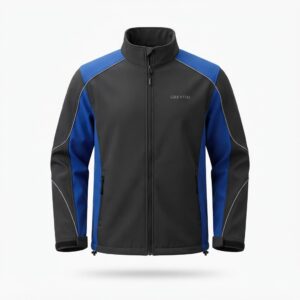
- Product: [hoodie, tracksuit, uniform, activewear, jacket, etc.]
- Quantity: [pieces per style and color]
- Sizes: [size range and quantity breakdown]
- Fabric: [composition, GSM, stretch, finish or guidance required]
- Fit: [regular, oversized, athletic or measurement chart attached]
- Colors: [color references or Pantone codes]
- Branding: [printing, embroidery, patches, labels and placement]
- Packaging: [polybags, hang tags, boxes or other requirements]
- Sample required: [yes/no and what the sample must confirm]
- Delivery destination: [city, state/region, postal code and country]
- Required arrival date: [date]
- Attachments: [tech pack, artwork, reference images or measurement chart]
Please confirm the applicable MOQ, sample scope, estimated bulk production timing, quotation inclusions and information still required.
Thank you,
[Name]
[Brand/Company]
[Email/WhatsApp]
SEND THIS RFQ TO GREYFIN SPORTS
Final Checklist Before Choosing Your Manufacturing Partner
- ✓ The private label clothing manufacturer has relevant product capability.
- ✓ Sampling scope and revisions are understood.
- ✓ Fabric and material options are confirmed.
- ✓ Customization details are documented.
- ✓ MOQ is clear for each style and color.
- ✓ Quality-control expectations and defect handling are agreed.
- ✓ Communication contact and update milestones are set.
- ✓ Pricing inclusions and exclusions are clear.
- ✓ Packaging requirements are approved.
- ✓ Shipping assumptions and responsibilities are understood.
- ✓ Written specifications identify the approved version.
Ready to Discuss Your Clothing Brand?
If you are building or growing a clothing brand in the USA, UK, Europe or Australia and need an international private label manufacturing partner, share your product details, reference images or tech pack with Greyfin Sports. The team can review your requirements and discuss sampling, customization and production options for your project.